Where Can You Stay Overnight in Missouri’s Parks and Historic Sites?
Missouri’s parks and historic sites are not all overnight destinations, and the places that do offer a stay may have very different options. The key is to identify what is actually available at your chosen site, then check how to reserve it, what facilities come with it and whether the season suits your plans. This overview helps you sort those questions before you travel.
What an overnight stay can look like
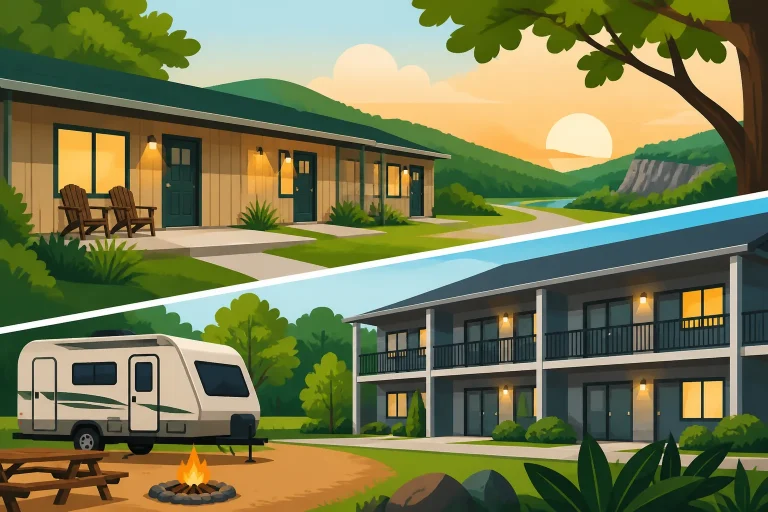
A night in a Missouri state park or historic site might mean pitching a tent, parking an RV at a campsite, or staying in indoor lodging. The right fit depends on what the individual location offers, what you’re bringing and how much comfort or self-sufficiency you want. Don’t assume that a park has every accommodation type, or that a historic site has overnight lodging simply because it is part of the state system.
Camping can mean a developed campground with designated sites, but the details vary. A site may be intended for a tent, an RV or different kinds of camping setups. Hookups and nearby amenities also vary. Check the individual campsite listing rather than choosing based only on the park name. Missouri Campsite Types Explained: Basic, Electric and Full Hookup describes the common distinctions to look for.
Some locations have walk-in or platform sites, backpacking campsites, equestrian camping, group camps or special-use areas. Those options are not interchangeable. A walk-in site can involve carrying gear away from a parking area; a backpack site may require a different approach to registration and access; and a group area is intended for a different sort of visit than a regular campsite. Start with the listing for the specific site, and read any linked park information before building your plans around a specialty option. See Backpack Camping in Missouri State Parks: Remote Sites, No Vehicles and Equestrian, Backpack and Platform Sites: Specialty Camping in Missouri if you’re comparing less-standard camping arrangements.
Indoor stays can include cabins, camper cabins, yurts, lodge rooms or other units, depending on the property. The names alone don’t tell you what’s included. A rustic cabin may not have the same facilities as a housekeeping cabin, and a yurt is not necessarily furnished like a lodge room. Review the unit description, sleeping arrangement, available utilities and guest requirements before deciding. Staying Indoors at Missouri State Parks: A Lodging Overview offers a broader comparison of lodging types.
For a quick comparison, use the accommodation listing for the property you are considering:
| Overnight option | Useful when you want | What to verify before you commit |
|---|---|---|
| Tent campsite | A traditional campground stay with your own shelter | Whether the site is tent-friendly, its setup and the nearby facilities |
| RV campsite | A place to park and stay in your recreational vehicle | Hookup type, site dimensions, access and seasonal services |
| Walk-in or platform site | A designated camping setup that differs from a standard drive-up site | How far you carry gear, how the platform is used and where you park |
| Backpack campsite | A stay connected to a trail or a more remote camping experience | Registration, route, site access, water planning and current rules |
| Group or special-use area | An organized outing with a larger party | Who may reserve it, what it provides and how its requirements differ |
| Cabin, yurt or other lodging | A roofed stay with less tent or RV setup | Sleeping arrangements, utilities, furnishings, occupancy and pet rules |
| Lodge or motel-style room | An indoor room-based stay | What is furnished, whether meals or other services are included, and how booking works |
Treat this table as a way to organize your questions, not as a promise that every option is available at every property. A listing may use a particular name for a unit while offering a different set of features than you expect. If something matters to your trip—such as a shower nearby, a cooking surface, a place for a dog or space for a particular vehicle—confirm it for the exact site or unit.
Start with the property, not the accommodation you hope to find
Missouri State Parks has 57 state parks or 36 historic sites, according to the Missouri Department of Natural Resources. The agency’s reservation system covers campsites at 39 different state parks and state historic sites. Those figures describe different things: one is the number of parks and historic sites in the system, while the other refers to properties with campsites covered by the reservation system. Neither means that every property has overnight facilities or that every accommodation is handled in the same way.
Begin by deciding what kind of place you want to visit. A lake, a trail network, a historic setting or a quiet campground may be the draw, but each preference narrows the search differently. If the trip depends on an activity, look at the property information alongside the overnight listing. A park can be a good daytime destination without having a campsite or lodging unit that fits your needs.
Then check whether the property offers overnight stays at all. Do not infer that it does from the words “state park” or “historic site.” Search the official Missouri State Parks information for the property and look for its camping, lodging or reservation details. If there is no overnight listing, treat that as a reason to investigate further—not as permission to camp wherever there appears to be open ground.
When the listing shows an option, read the details attached to that option. A park may have several campground areas with different site styles, or lodging units that are quite unlike one another. Look for the exact loop, campsite type or unit name. A general page about the park is useful for orientation, but it may not answer practical questions about a particular place to sleep.
The property’s overall experience matters too. Think through how you will spend the time between arrival and departure: whether you want to cook at camp, use trails, visit a historic feature, relax near water or have a comfortable indoor base. Camping in Missouri State Parks: How to Pick a Park and a Site can help you compare park and campsite choices, while Where Can You Stay Overnight in Missouri’s Parks and Historic Sites? is not an internal link destination here because it is this page’s own title.
If you’re deciding between a state park and a historic site, check the overnight information first, then compare the daytime experience. A historic site can be well suited to a visit but may not offer a place to sleep on the property. In that case, you might plan to stay at a nearby park or another suitable campground, but confirm the location and travel time using official information and your own route planning. Do not assume that an overnight facility is close just because two destinations appear together in a search result.
Choose a stay that matches your group and gear
The most convenient option is not always the one with the most facilities. Choose based on the equipment you have, the people coming along and the work you’re willing to do at camp. For example, a tent camper may value a site close to a trailhead, while someone arriving in an RV may need to focus on site access, hookups and fit. A family hoping to avoid tent setup may prefer a roofed unit, but still needs to check how it is furnished.
For tent campers
Check whether the site is a regular drive-up campsite, a walk-in site, a platform or another designated arrangement. These names hint at how setup may differ, but the listing is what tells you the particulars. If it’s a walk-in site, investigate the route from the parking area and think about how you will carry your shelter, bedding, food and water. A wooden platform may need a different tent setup from bare ground; look up the property’s instructions before packing.
If you’re new to camping, compare the workload as well as the location. A basic site can require you to bring and manage more of your own equipment than an indoor unit. A campsite with nearby services might make the trip easier, but don’t assume those services are operating during every visit. The property’s current listing can help clarify what is available, and Kids, a Tent and a Missouri State Park: Planning a Family Campout has additional planning considerations for families.
For RV campers
An RV listing needs more than a quick glance at the word “campsite.” Confirm the hookup information, site dimensions and any access details provided for the exact campsite. If you are towing, driving a large vehicle or renting an RV, check the whole setup rather than just the motorhome or trailer. A campsite that suits a smaller unit may not suit a longer combination, and the park’s road and loop layout may matter as much as the pad.
Also consider whether your trip depends on services that can vary by season. Water, showers and other campground facilities may not operate the same way throughout the year. Verify what the listing says for your dates, and ask the park through its official contact information if a detail remains unclear. RV Camping in Missouri State Parks: Hookup Types, Seasons, Stay Rules gives RV travelers a way to think through those variables.
For indoor lodging
Look past the label and check the unit’s actual features. Pay attention to beds, occupancy, bathrooms, cooking facilities, heating or cooling, linens and whether pets are accepted. A cabin or yurt may be designed as a simpler alternative to camping rather than a fully furnished home-style rental. If you are counting on a specific amenity, confirm it in the listing instead of assuming it comes with the accommodation type.
The distance between the unit and shared facilities can also affect the experience. This matters if you are traveling with children, older adults, someone with limited mobility or a group carrying a lot of gear. Look for accessibility details and ask about the exact unit if the published description does not resolve your question. Accessible Camping and Lodging in Missouri State Parks is useful when access needs should shape the choice.
For groups
Group trips can mean reserving several regular campsites, using a designated group camp or looking for a special-use area. Those choices may have different reservation arrangements and conditions. Don’t assume that a large party can use a standard campsite simply by bringing extra tents, or that a group area functions like a row of individual sites. Check the applicable listing and any group-specific instructions before inviting people or collecting plans.
If your group includes people who want different levels of comfort, compare nearby options rather than assuming everyone must stay in the same way. A party might need to decide whether it is practical to divide between camping and indoor lodging, and whether the locations are close enough for shared meals and activities. See Group Camping in Missouri State Parks: Camps and Special-Use Areas and Splitting a Group Between Cabins and Campsites at One Park for related planning questions.
Understand how booking works before you choose dates
For campsites, the Missouri Department of Natural Resources says the reservation system covers campsites at 39 different state parks and state historic sites. That information is a useful starting point, but you still need to check whether the particular property and campsite you want appear in the system and are available for your dates.
Do not assume that every overnight option follows the same booking process. A campsite, a cabin and a lodge room may have different listings or reservation routes. Follow the instructions attached to the exact accommodation rather than relying on a general expectation about how park reservations work. If a listing directs you to a specific booking channel, use the official system or contact information identified by the state park.
Before you reserve, compare the stay details carefully. Check the arrival and departure dates, the accommodation name, the site or unit location and the capacity information. Look at the full cost shown by the provider, including any applicable charges, and read the cancellation or change terms before confirming. Costs and booking conditions can depend on the accommodation and the dates; check the provider for current figures and terms rather than relying on an old estimate or a different unit’s price.
For campsites, make sure the selected site matches your equipment. An electric site and a basic site may not offer the same services, and the label alone does not confirm that a particular vehicle will fit. For lodging, verify that the unit’s occupancy and sleeping arrangement work for the people in your party. If a pet, accessibility feature or vehicle space is essential, confirm that detail before you pay.
A reservation confirmation is not a substitute for preparing for arrival. Keep the confirmation details available, note any instructions for checking in and make a plan for locating the campground loop or lodging unit. How to Book a Missouri State Park Campsite Online or by Phone explains the campsite booking process in more detail. If you need to adjust plans, Changing a Missouri State Park Campsite Booking: Deadline and Fee and Cancelling a Missouri State Park Campsite: Fees, Deadlines and Refunds cover related questions; check the official terms for the reservation you actually hold.
If the campsite you want is unavailable, consider changing the dates, selecting a different site type or choosing another property. You can also look for openings as plans shift, but don’t treat an empty-looking calendar or a search result as proof that a site is available. Check the official reservation system for current status. For more ideas, see Watching for Cancellations at a Full Missouri State Park Campground.
A change in the trip’s accommodation may require a change in the trip itself. For instance, switching from a walk-in site to an RV site changes what you can bring and how you approach arrival. Moving to a nearby park may add travel time or affect your activity plans. Recheck the property information whenever you switch locations, rather than assuming the same arrangements apply.
Plan for services, access and conditions
The practical details of a stay can matter as much as the reservation. A campground may have facilities that are seasonal, while a lodging unit may rely on shared services located elsewhere on the property. Weather can affect roads, trails and activities, and temporary closures can change what is accessible. Build a little flexibility into the trip and check official park information before leaving.
Confirm what is open for your visit
Read the current property and accommodation information for the dates you intend to travel. Look for notes about water, restrooms, showerhouses, laundry, dump stations and other services you expect to use. If the listing is unclear, use the official website to find current contact details and ask the park. Don’t treat a facility shown in a general description as a guarantee that it will be open during your stay.
Seasonal planning can affect both comfort and logistics. A cold-weather trip may mean packing differently and bringing a backup plan for water or showers. A warm-weather stay can bring different demands, such as shade, hydration and a plan for changing conditions. Winter Camping in Missouri: Water, Showers and Electric Hookups and Missouri State Parks Through the Year: Planning Around the On-Season can help you think through seasonal differences.
Check access and the route to your site
The route inside the park matters, especially if you are arriving with a long vehicle, towing a trailer or carrying gear to a walk-in site. Use the park map and campsite details to understand where the campground or lodging area is located. If a loop is steep, narrow or otherwise challenging for your setup, get clarification before choosing a site. A map can help with orientation, but it does not replace checking the site’s own information.
For guests with mobility needs, verify the specific features of the campsite, cabin or facility. A broad “accessible” label may not answer every question about parking, surfaces, routes or bathrooms. Compare what is listed with the needs of your party, and contact the park if you need details about the exact unit. Visiting a Missouri State Park in a Wheelchair: Campsites and Cabins addresses this kind of planning.
Check pets, group expectations and park rules
Pet policies can differ by accommodation and area. Before reserving, confirm whether pets are allowed in the specific campsite or lodging unit and review the rules that apply to the rest of the property. Don’t assume that permission in one place means pets can enter every building, beach or activity area. For a broader overview, see Bringing Your Dog to a Missouri State Park: Cabins, Trails, Etiquette.
Read the campground or lodging rules that apply to your stay. Check details such as quiet hours, check-in and checkout, fire use, vehicle parking, occupancy and waste disposal. Rules can differ according to the type of site and the part of the property you are visiting. If you’re unsure which instructions apply, check the property’s official information rather than relying on a rule remembered from a different campground.
Fire conditions deserve a fresh check because restrictions can change. Use the official information identified by the park or relevant agency to check before you leave and again when you arrive. Don’t assume that a fire ring means a fire is permitted under current conditions. Campfire Rules for Camping on Missouri Public Land, Explained provides context for why fire guidance needs to be checked for the land you’re visiting.
Prepare for a change in plans
Weather, closures or a facility issue can affect an overnight trip. Check the official status information for the property and the particular area you plan to use before departure. If a trail, campground section or activity is unavailable, decide whether the trip still works for your group or whether you need another plan. Checking a Missouri State Park’s Status and Closures Before You Go and Temporary Trail and Campground Closures at Missouri Parks offer more on checking for changes.
For a longer stay or a trip built around a particular activity, think about a backup destination before you set out. The alternative might be a different park, a different accommodation or a shorter visit. If changing destinations means changing a campsite reservation, review the reservation conditions before acting. A backup plan is most useful when it is practical for your group and does not depend on an unverified site being open.
When the property doesn’t have the overnight stay you need
If the park or historic site you want to visit does not list a suitable overnight option, separate the daytime destination from the place you sleep. You may be able to visit one property and stay at another, but confirm that the alternative location offers the right type of overnight accommodation and that the route makes sense for your plans. Don’t camp in an undesignated area or assume that a day-use space can be used overnight.
If you want to remain close to the destination, compare nearby state park campgrounds or lodging options through their official listings. Check whether the alternative fits your vehicle, tent, group size, accessibility needs and preferred facilities. The best nearby choice may not be the closest one if it lacks the setup you need or has no suitable availability.
Some travelers compare state park camping with other kinds of public-land camping. That comparison requires care because different land managers can have different rules, reservation processes and permitted camping areas. Do not carry a state park assumption over to a conservation area or forest, or the reverse. Choosing Between a State Park Campground and a Forest Camp in Missouri and Whose Rules Apply at Your Missouri Campsite? Parks, MDC or Forest can help you identify the questions to ask before changing land types.
If you are considering free camping as a substitute, verify that overnight camping is allowed at the exact location and understand the rules from the managing agency. “Public land” does not mean that every spot is open for overnight stays. Use official area information, check posted signs and follow any registration or permit directions that apply. Free Camping in Missouri: Where It’s Allowed and Who Sets the Rules explains why the land manager matters.
A nearby hotel, private campground or other non-state option may also suit the trip, but research it separately. Check its location, facilities, booking terms and rules with the operator. Don’t assume that a state park reservation covers nearby lodging or that a listing associated with a park is operated by the same provider as the park’s campground.
A practical planning process
A reliable plan begins with the destination and ends with a final check before departure. Use the official listing for the property and the exact overnight option, and keep your assumptions separate from confirmed details.
- Choose the experience. Decide whether the trip is mainly about camping, a historic visit, trails, water or a quiet overnight break. This helps you avoid selecting a property only because its name is familiar.
- Confirm that overnight stays are offered. Look for camping or lodging information for the specific property. If nothing suitable is listed, investigate another location rather than assuming overnight access.
- Match the accommodation to your setup. Check whether you need a tent site, an RV site, a walk-in arrangement, group space or indoor lodging. Verify the exact site or unit, not just the general category.
- Read the listing closely. Confirm facilities, access, occupancy, pets, equipment fit and any seasonal notes that affect your plans. Write down questions the listing does not answer.
- Check the official booking route. Use the reservation instructions for that accommodation. Confirm the selected dates and read the current costs, terms and change or cancellation conditions.
- Review practical arrival details. Find the campground loop or lodging area on the park information, check arrival instructions and consider how much time you’ll need to unload or set up.
- Recheck conditions before departure. Review the property’s current status, closures, facilities and fire information. If something essential has changed, decide whether to adjust the plan.
This process is especially helpful when the trip includes several households or a mix of camping and lodging. Share the confirmed details with the group: where each person is staying, what facilities are available, what equipment is needed and what rules everyone should check. That avoids preventable surprises, such as someone arriving with an RV that does not suit the selected site or expecting a cabin to include features that are not listed.
For a shorter visit, keep the same steps but focus on the details that could disrupt the stay. Confirm that the accommodation exists, that it suits your setup, that the reservation is correct and that the facilities you rely on will be available. A compact plan is still better than assuming a park-wide description answers questions about one campsite.
The most dependable way to choose an overnight stay is to treat each property and accommodation as its own decision. Missouri’s parks and historic sites offer a range of possible experiences, but availability, facilities and booking details are specific to the listing. Once you confirm those details with the official information, you can choose a stay that fits the trip rather than trying to make an unsuitable option work.
Frequently Asked Questions
Can you stay overnight at every Missouri state park or historic site?
No. Check the official information for the specific property to see whether it lists campsites or lodging. A site that works well for a day visit may not offer an overnight stay.
Does the reservation system cover every overnight accommodation?
The Missouri Department of Natural Resources says its reservation system covers campsites at 39 different state parks and state historic sites. Check the specific property and accommodation listing for availability and booking instructions.
Are campsites and cabins booked the same way?
Not necessarily. Follow the booking directions for the exact campsite or lodging unit, and verify the reservation terms before confirming.
What should I check before choosing a campsite?
Confirm that the site fits your tent or vehicle, then check its listed facilities, access, seasonal details and rules. For a group or specialty site, review any instructions specific to that type of stay.
What if the park I want to visit has no suitable overnight option?
Look for a suitable stay at another property or research a separate accommodation nearby. Confirm that overnight use is allowed at the alternative location and check its rules and booking details with the responsible provider.
Sources
- Missouri Department of Natural Resources — Home | Missouri State Parks (checked November 23, 2026)
- Missouri Department of Natural Resources — Camping Reservation System | Missouri State Parks (checked November 23, 2026)
Disclaimer
This article is for general informational purposes only and does not constitute professional advice. Laws, prices and regulations vary by location and change over time. Consult a qualified professional for guidance on your specific situation. Missouri Camping & RV is not a government agency and is not affiliated with any government agency.